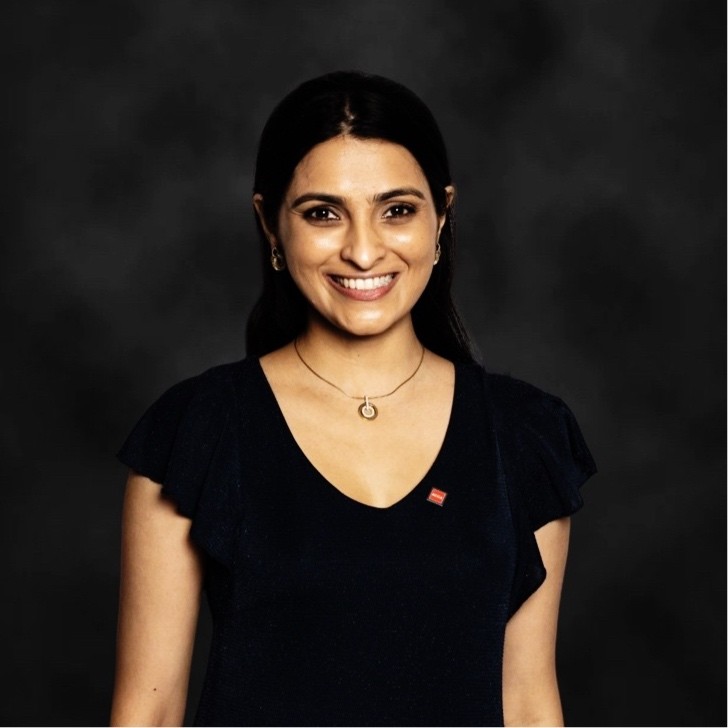

Sathya Dhulipala FCCA
I came into finance because I’ve always been drawn to understanding how organisations work beneath the surface. I trained as an accountant (auditor) early in my career, and qualifying as an ACCA opened the door to much broader global opportunities than I expected. Over time, I found myself gravitating toward financial services and large-scale change environments, where finance isn’t just reporting numbers - it shapes strategy, culture, and the direction a business takes.
My journey has been a mix of technical learning, curiosity about how businesses transform, and a desire to work in roles where finance has a genuine impact. Each step, from audit to consulting, has helped me build that perspective.
Today, I work in finance transformation within the insurance sector, with a strong focus on post-merger integrations. My role sits at the intersection of finance, strategy, and change. I help organisations bring two finance functions together, build clarity around cost structures, track synergies, and ensure the new organisation can operate effectively on day one and beyond.
What I enjoy most is seeing how finance acts as both a control function and an enabler. The work is challenging, but incredibly rewarding because you see tangible impact: better decision-making, cleaner data, stronger processes, and a clearer financial story for the business.
"The biggest challenge is managing complexity while still giving the business clear, actionable insight. Insurance is going through enormous change—integrations, regulatory expectations, modernisation of systems, and the shift to more data-driven ways of working. Finance teams are expected to provide accuracy, speed, and strategic foresight all at once. In my work, I respond to this by building structure in ambiguous environments: simplifying reporting, strengthening governance, and helping stakeholders understand the real financial drivers rather than just the outputs."
Stakeholders are under pressure to make decisions quickly while dealing with incomplete data, legacy systems, and competing priorities across large organisations. In integrations, this becomes even more pronounced because multiple cultures and processes meet at once. I support them by translating complexity into something manageable by clarifying assumptions, challenging risks early, and creating artefacts that help them see the financial and operational impact of each decision. A big part of my role is giving people confidence in the path forward.
Outside of work, I recharge through art, mainly painting. It’s one of the few activities that slows my mind down and lets me focus on something completely different from work. I also enjoy cooking and spending time with my partner, but painting is the space where I feel the most grounded and creative. It helps me reset and come back to work with a clearer head.
I would share one piece of advice with other finance professionals: learn to bring structure to ambiguity. Technical skills matter, but the ability to take an unclear situation, break it down, and guide people through it is what sets strong finance professionals apart. The sector is evolving quickly! Those who stay curious, adaptable, and grounded in first principles will always find themselves ahead of the curve.