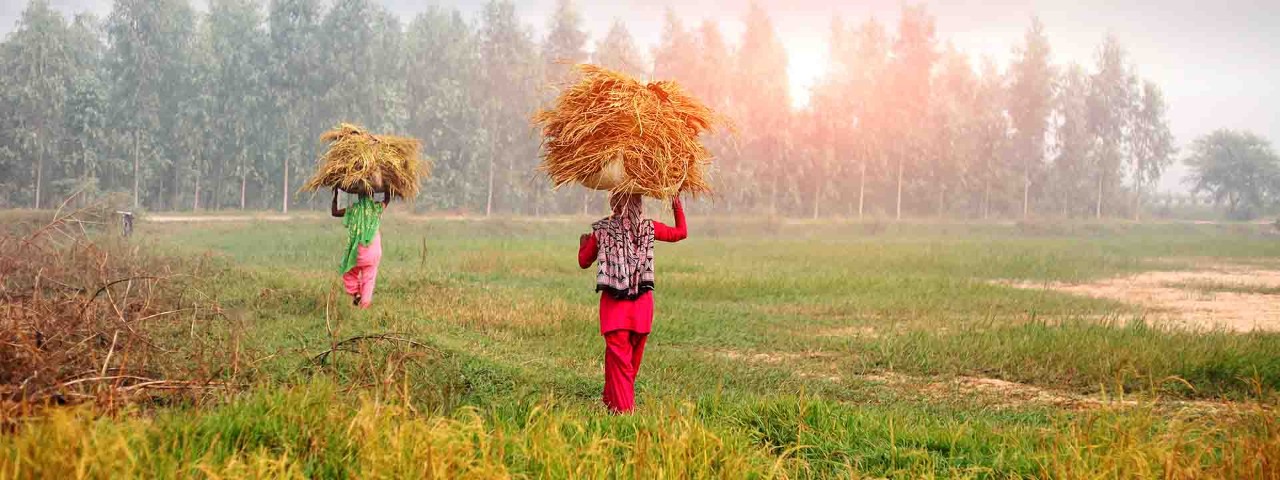
Forced labour can have significant impacts on organisations — brand reputation, financial loss. To illustrate this, the Resilinc organisation notes that between the end of February and the end of May 2023, the U.S. Customs and Border Protection agency impounded goods worth $496 million from over 2,000 shipments, simply because of forced labour and ESG non-compliance allegations. This can create massive disruption for businesses. Here is the story of one of our members and how their organisation successfully managed the challenges.
I'm CFO of Sime Darby Plantation, which is a public listed company in Malaysia — largely a plantation company that is involved in oil palm plantation, and is the largest oil palm plantation company by land area, spanning about 14 countries.
So just to set a little bit of context in relation to the forced labour experiences that Sime Darby Plantation has faced in recent years: it all began with a Withhold Release Order that was imposed on the company by the Customs and Border Protection authority of the United States, which really meant that we could not export to the US any items produced by our Malaysian plantations, given the forced labour indicators that were apparently present in our plantations.
So the immediate implication to the company was actually quite far-reaching, because we had to address both the reputational and financial implications — and in our case, more reputational, because we are a public listed company, and our stakeholders, whether customers, financial institutions, or investors, were clamouring for explanations. So that was perhaps the key thing that got the process started.
The process that we underwent really stemmed from reviewing all the actions and all the processes on the ground, to assess whether there were any forced labour indicators present in our plantations. That involved appointing consultants to assist us, because there's only so much that you know, and so much help that we needed at that point.
That, thankfully, took about a year — the review of processes, the introduction of new policies, and the result of actually having to pay some amounts of money in relation to the reimbursement of recruitment fees, which fell under the forced labour indicator of debt bondage. That was perhaps the biggest impact that we had.
So if you think about the whole process, and as a CFO, what I went through here and learned — I will not repeat the things that I expected of a CFO, and what our real skill sets are, which is process review, understanding the business, and so on and so forth. But really, one of the things that was a little bit unusual was bringing myself up to speed with the requirements of the forced labour indicators dictated by the ILO. You'll understand that, unlike an accounting standard — which is more or less rule-based these days — these were merely guidelines.
And the other thing that I think was super useful is that this was exactly the time when the ISSB came up with sustainability standards.
One other thing I'd like to close off with is really my personal experience. To me, it was a very humbling journey — something that, until you carry it out and do it yourself, you will not experience the difficulties you face trying to address one of the most difficult parts of our day-to-day jobs: social and people issues, and the understanding of human rights. It's something I believe all CFOs should start taking steps to understand.