The global body for professional accountants

EU update - October 2026

Welcome to our Brussels update, highlighting key developments for the ACCA community. Stay informed on policy shifts that strengthen our engagement, build connections, and boost ACCA’s impact in the EU and across Europe.

About ACCA Public Affairs Europe

ACCA has around 80,000 members and students across the EU and Europe region. Our Europe public affairs engagement is led by our Brussels-based team working closely with our Europe market teams based in the Czech Republic, Ireland, Poland, Romania and Ukraine. 

This collaborative team approach to public affairs ensures that our members and communities are served both at the centre and local levels for a ‘One Europe’ solution.

Our public affairs engagement

We work with national and EU policymakers to monitor and influence policies affecting our members and the profession. This includes submitting position papers, sharing professional insights and expertise, participating in events and expert group meetings, and actively contributing as members of Accountancy Europe, the European Federation of Accountants and Auditors (EFAA), SMEunited and Early Warning Europe Network (EWEN).

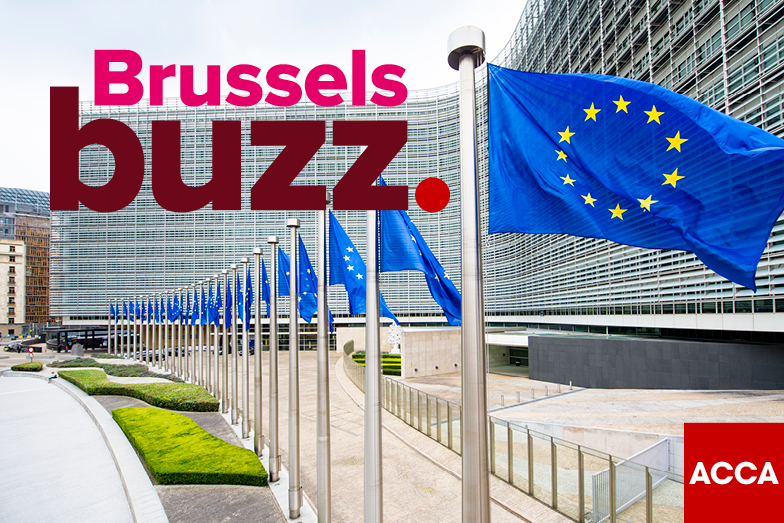
European Commission in Brussels, Belgium, overlaid with the words 'Brussels buzz' and the ACCA logo

Highlight of the month

"Accountants matter": Commissioner McGrath highlights role of trusted advisers to SMEs

Supporting Europe's SMEs means supporting the trusted advisers who work alongside them every day. Accountants have a critical role to play in helping businesses grow, innovate and compete in a rapidly changing economy.

That was the key message from European Commissioner Michael McGrath as he joined ACCA's Irish EU Presidency event in Dublin, bringing together policymakers, business leaders and the accountancy profession to discuss how Europe can become a better place to start, scale and succeed in business.

The event explored how Ireland's EU Presidency can strengthen competitiveness, support SME growth and help businesses access the skills and talent needed to thrive in an increasingly digital economy. Discussions focused on skills, AI adoption, reducing barriers to business and making it easier for companies to grow across the Single Market. Commissioner McGrath highlighted key EU initiatives including the Union of Skills, the One Europe, One Market roadmap and EU Inc.

A recurring theme was ensuring SMEs can harness digitalisation and AI. The Commissioner noted that the "accountant of tomorrow" will need digital, data and AI capabilities alongside technical expertise, while discussions also highlighted the role of accountants and small and medium-sized practices (SMPs) as trusted advisers helping businesses navigate change and pursue growth opportunities.

Stephen Noonan, head of ACCA Ireland, emphasised that competitiveness depends not only on access to finance and markets, but also on the skills, expertise and support networks that enable businesses to innovate, adapt and grow.

The event reinforced ACCA's long-standing message that investment in people is investment in competitiveness. Insights from the discussion, which also featured representatives from Skillnet Ireland, Ireland's Permanent Representation to the EU, SMEunited, European Federation of Accountants & Auditors (EFAA) and the European Accounting Association (EAA), will now inform an ACCA white paper contributing to debates on Europe's future investment priorities and the EU's next long-term budget (2028-2034). The event was also highlighted by the European Commission's Directorate-General for Employment, Social Affairs and Inclusion (DG EMPL) as part of European Skills & VET Week, underlining the growing policy focus on skills, digitalisation and SME competitiveness across Europe.

Read the press release.

European Commissioner Michael McGrath addressing attendees at the ACCA conference in Dublin.

European Commissioner, Michael McGrath addressing the audience.

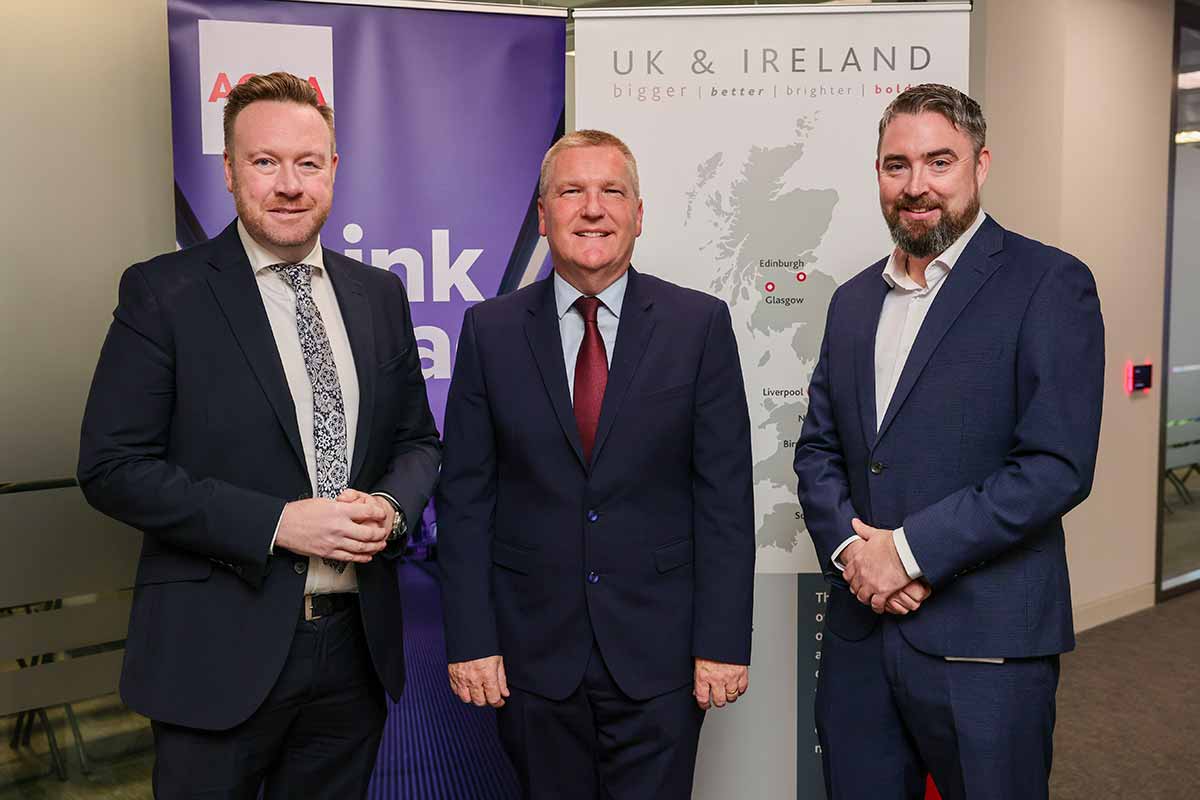
Stephen Noonan, European Commissioner Michael McGrath and Stephen O'Flaherty at the ACCA conference in Dublin.

Stephen Noonan, ACCA head of Ireland and Stephen O'Flaherty, BDO Partner, welcome Commissioner McGrath.

Shaping policy: key developments driving ACCA engagement

As part of its commitment to improving financial capability and inclusion, ACCA submitted its response to the European Commission's consultation on financial literacy best practices.

Drawing on the success of ACCA-X, which has supported over 250,000 learners from more than 200 countries in the past decade, ACCA shared examples of innovative approaches to financial education and skills development.

The submission also highlighted ACCA's financial literacy initiatives and stakeholder engagement across Europe and globally, reinforcing the profession's role in supporting citizens' financial resilience and informed decision-making.

During a recent meeting with EFRAG officials in Brussels, ACCA discussed a number of current sustainability reporting developments, including the draft ESRS-40a sustainability reporting standard for certain non-EU companies operating in the EU, and the revised Voluntary Sustainability Reporting Standard for SMEs (VS).

Building on these discussions, ACCA has submitted its response to the ESRS-40a consultation, highlighting the importance of a practical, proportionate and globally aligned approach that supports transparency without creating unnecessary reporting burdens for businesses.

EFRAG is expected to submit its final technical advice to the European Commission in January 2027, with the new requirements expected to apply to certain non-EU companies with significant EU operations from 2028.

To complement our engagement with EFRAG, ACCA also met with senior officials from the European Commission's financial services and capital markets department (DG FISMA). Discussions covered the forthcoming Commission consultation on sustainability assurance standards, taking account of the recent CEAOB technical advice standard for limited assurance on sustainability reporting presented to the Commission, as well as wider developments in corporate reporting and sustainability regulation.

ACCA highlighted the importance of evidence-based policymaking and proportionate requirements that are practical for both businesses and assurance providers as the reporting and assurance landscape continues to evolve.

As reported last month, the European Commission presented three legislative proposals under its Fair Labour Mobility Package: a directive on the recognition of qualifications obtained by third-country nationals, a directive to digitalise procedures and streamline the recognition of professional qualifications across the EU, and a regulation aimed at improving the portability of qualifications and skills.

A key element of the package is the introduction of the European Digital Identity Wallet, enabling individuals to securely store and share digital credentials. 

The proposals build on issues highlighted in ACCA's response to the European Commission's consultation on skills portability earlier this year.

Similar themes were explored at ACCA's Ireland EU Presidency event this month, where discussions focused on how fair labour mobility reforms could support better recognition and mobility of skills and talent, including for both EU and non-EU professionals.

ACCA is closely monitoring the proposed directive on the recognition of qualifications of non-EU nationals, given its potential implications for the mobility and recognition of internationally qualified accountancy professionals and students across the EU.

Several important policy initiatives will continue to shape the regulatory environment for businesses and accountants in the months ahead:

  • Early November – EC consultation on limited assurance standards
    European Commission expected to launch a public consultation following CEAOB’s technical advice on EU limited assurance standards. 
  • Deadline 5 November - Simplifying EU rules on direct taxation – omnibus
    European Commission is seeking views on the proposal for a Direction on simplification of direct taxation rules. ACCA replied to the call for evidence back in March.
  • January 2027 – EFRAG Exposure Draft on ESRS-40a
    EFRAG is expected to submit its technical advice to the EC. The EC will launch a consultation before adopting the final delegated act in mid-2027. First reporting expected from 2028.
  • Deadline 15 February 2027 – EFRAG consultation on future sustainability reporting priorities
    EFRAG is seeking feedback on its 2027–2029 sustainability reporting agenda, including future standard-setting priorities, implementation support, voluntary reporting and international interoperability.
  • Q1 2027 – publication of implementation guidelines on the CSDDD
    European Commission expected to publish implementation guidelines for the Corporate Sustainability Due Diligence Directive (CSDDD), providing very large companies with practical guidance ahead of its application in July 2029. 
  • Early 2027 – EU Talent Pool shortage occupations consultation – accountancy profession currently listed in annex
    European Commission expected to consult on the methodology for updating the EU-wide shortage occupations list under the EU Talent Pool, presenting a potential opportunity for ACCA to contribute evidence on accounting skills and workforce shortages.
  • Early 2027 – possible consultation on the future of audit supervision in Europe
  • Mid-2027 – adoption of Fair Labour Mobility Package (including recognition of non-EU qualifications)
    Legislative proposals are progressing through the European Parliament and Council. No indicative timeline for a final interinstitutional agreement has yet been published.

Events and engagements

As discussions on skills and competitiveness gathered momentum ahead of Ireland's EU Presidency, ACCA joined fellow professional accountancy organisations in Brussels for Accountancy Europe's Members' Engagement Day.

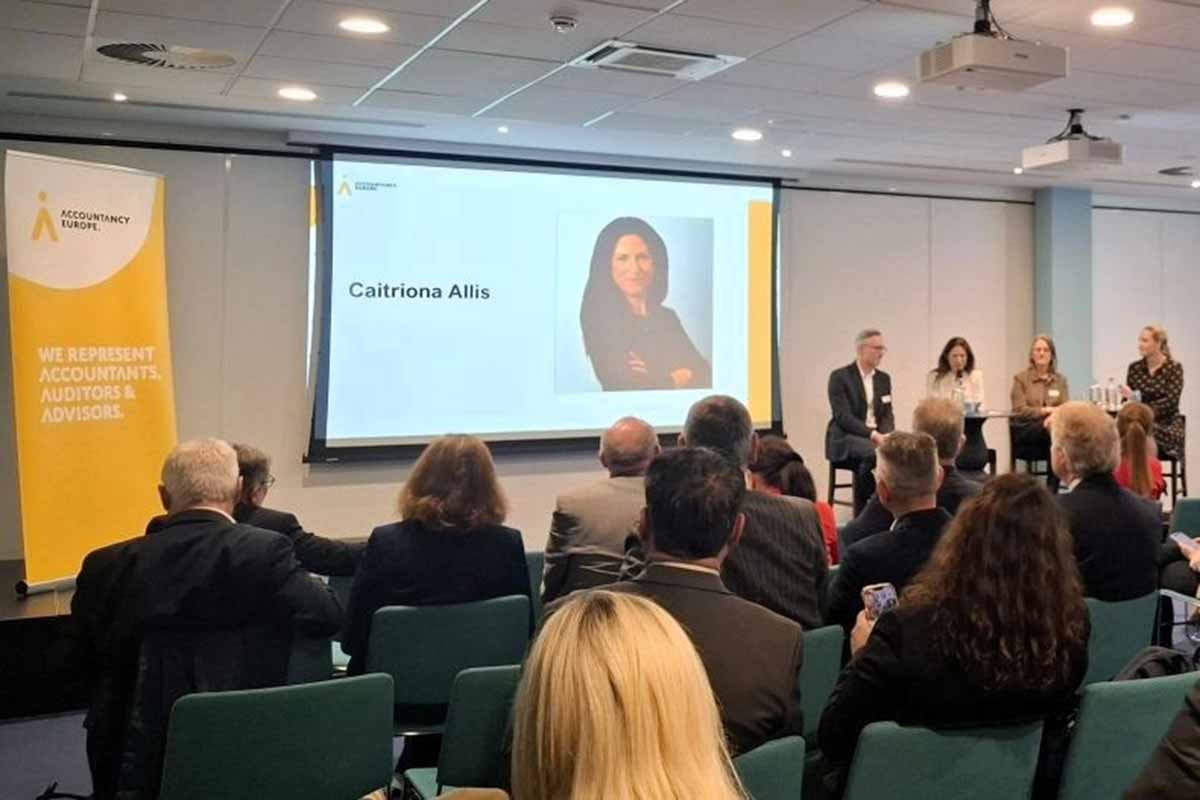
Representing ACCA, head of Europe Caitriona Allis participated in a high-level panel on artificial intelligence and its implications for the profession.

Discussions focused on how AI is transforming finance and business functions, the skills professionals will need in the future workforce, and the importance of a regulatory framework that supports innovation while maintaining trust and ethical standards.

Caitriona highlighted the need to invest in the accountancy profession so that accountants can help SMEs harness AI, navigate change and strengthen Europe's competitiveness.

Drawing on ACCA's extensive AI research and insights, she emphasised the profession's vital role as a trusted adviser to businesses adapting to technological change.

Through this engagement, ACCA ensured members' perspectives were reflected in wider European policy discussions on the future of work, competitiveness and the profession.

Panel discussion at Accountancy Europe Members' Engagement Day in Brussels, with Caitriona Allis participating on stage.

Following discussions on future skills and competitiveness at Accountancy Europe’s Members’ Engagement Day, ACCA met with the International Federation of Accountants (IFAC) to advance plans for a joint financial literacy webinar during OECD Global Money Week 2027.

The initiative aligns with growing EU and OECD efforts to improve financial literacy, helping citizens build the confidence and competence to make informed saving and investment decisions, supporting the objectives of the EU’s Savings and Investments Union and Europe’s long-term competitiveness.

Bringing together European and international speakers, the webinar will explore how financial education can strengthen financial resilience and inclusion.

ACCA highlighted the accountancy profession's unique contribution to financial education.

As trusted advisers with expertise in financial management, accountants are well placed to help individuals, entrepreneurs and SMEs improve their financial understanding, navigate increasingly complex financial choices and build the confidence needed to participate fully in the economy.

Building on ACCA's response to the European Commission's financial literacy consultation, ACCA met with the office of a Greek MEP in the European Parliament to discuss financial education, skills development and entrepreneurship, including the profession's role in supporting financial education.

The exchange also explored priorities for Greece's 2027 Presidency of the Council of the EU, with particular interest in workforce development, women's economic empowerment and measures that can strengthen competitiveness.

The meeting reinforced ACCA's commitment to supporting EU efforts to build financial capability, skills and talent as foundations for a more competitive and resilient Europe.

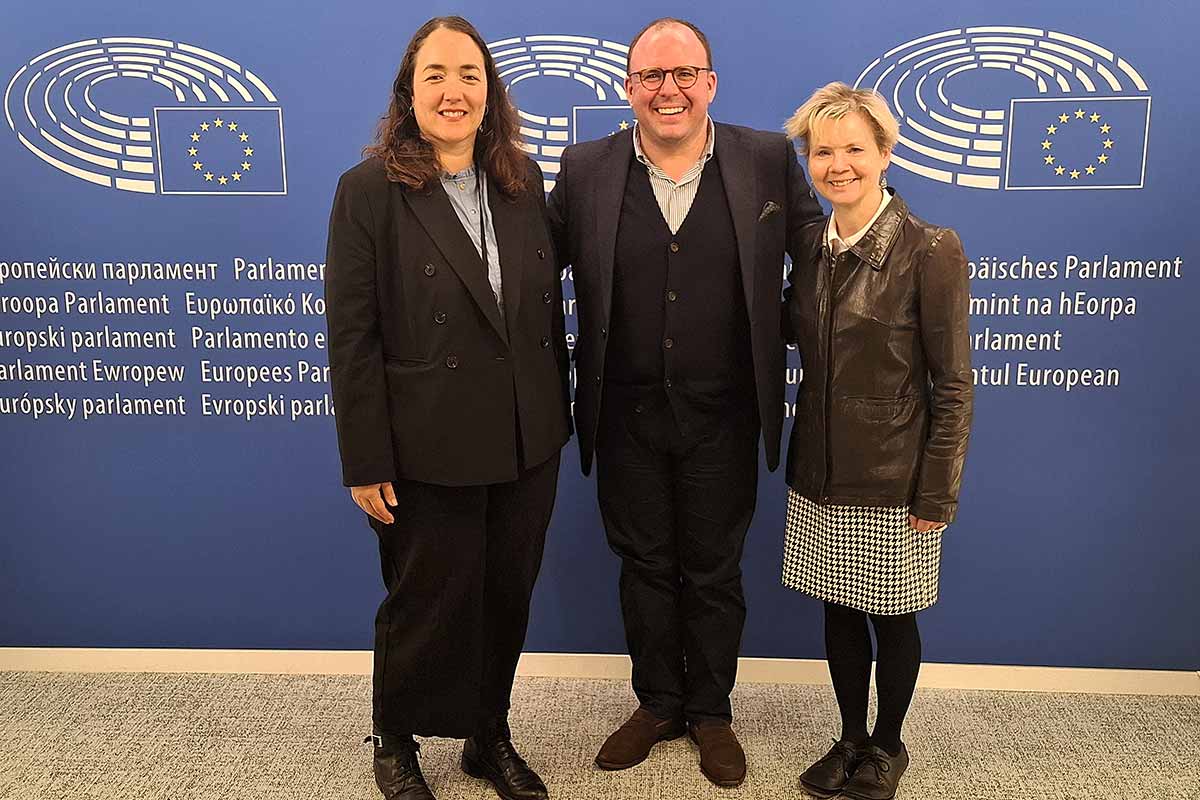
Oliver Parry and members of the ACCA Europe Public Affairs team at the European Parliament.

Oliver Parry and ACCA Europe Public Affairs team at the European Parliament.

Continuing the month’s focus on skills and capacity-building, ACCA will participate in the European Commission’s High-Level Conference on Financial Literacy on 19 November in Brussels.

As part of the implementation of the EU financial literacy strategy, the event will explore how financial education can strengthen economic participation, support informed financial decision-making and contribute to Europe’s long-term prosperity and competitiveness.

As discussions on competitiveness, resilience and responsible business continue, ACCA will participate in the European Corporate Governance Conference 2026 on 17 November in Dublin. Register now to secure your spot.

Organised under Ireland's EU Presidency by EY, alongside ACCA and other leading European partners, the conference will convene policymakers, academics, practitioners, civil society and industry leaders to discuss the governance challenges shaping Europe's future. ACCA’s Rachael Johnson, global head of risk management and corporate governance for policy and insights, will present insights from ACCA’s Global Economic Conditions Survey and ongoing engagements with board, risk and finance leaders around the world.

Call to action

As artificial intelligence, digital transformation and increasing stakeholder expectations reshape the profession, accountants face growing ethical challenges that require more than technical expertise alone.

At this year's Global Ethics Day, ACCA spotlighted its latest report, Navigating ethics for trust, drawing on the views of 1,178 finance and accountancy professionals worldwide to identify the key drivers of trust in the profession and providing practical tools to support ethical decision-making.

Read the report and watch ACCA’s Global Ethics Day playlist on YouTube to hear insights from ACCA members and leaders from Greece, UAE, Australia, Nigeria and Malaysia on the ethical challenges shaping the future of the profession.

ACCA Priorities for the EU 2024 – 2029

Read our recommendations to the EU institutions and priorities on sustainability, AI and Talent. 

Contact EU Public Affairs

Connect with us on LinkedIn

Our office address

ACCA
Clockwise
Avenue des Arts 44
BE-1000 Brussels

EU Transparency Register number

Registration number: 430862248851-23

Visit ACCA's profile

Access past editions